
Commodity Trading
International Trade
Connecting trade negotiations with results around the world

Sugar
Brazil is the largest sugar producer in the world. In the international context, the representativeness of the Brazilian product has increased significantly in recent years. Although Brazilian exports reach a large number of countries, the seven main destinations (Russia, Nigeria, United Arab Emirates, Egypt, Morocco, Canada and Iran) represent approximately 63% of total exports.

Coffee
A large part of the coffee exported is as a commodity and Brazil accounts for a third of the world’s coffee production, which places it as the world’s largest producer, since it has had it for over 150 years, in addition to occupying the second position among consuming countries of the drink. According to data from the Ministry of Agriculture, Livestock and Supply (Mapa), Brazilian coffee production is one of the most demanding in the world, in terms of social and environmental issues.

Specialty coffees
Discover the excellence of our specialty coffees, which highlight the quality and importance of Brazilian specialty coffees in the global market. Grown in privileged regions, our coffees provide unique aromas and flavors, conquering the most demanding palates. Try and be enchanted by the uniqueness of the specialty coffees sold by the Celestia valley farms.
Corn
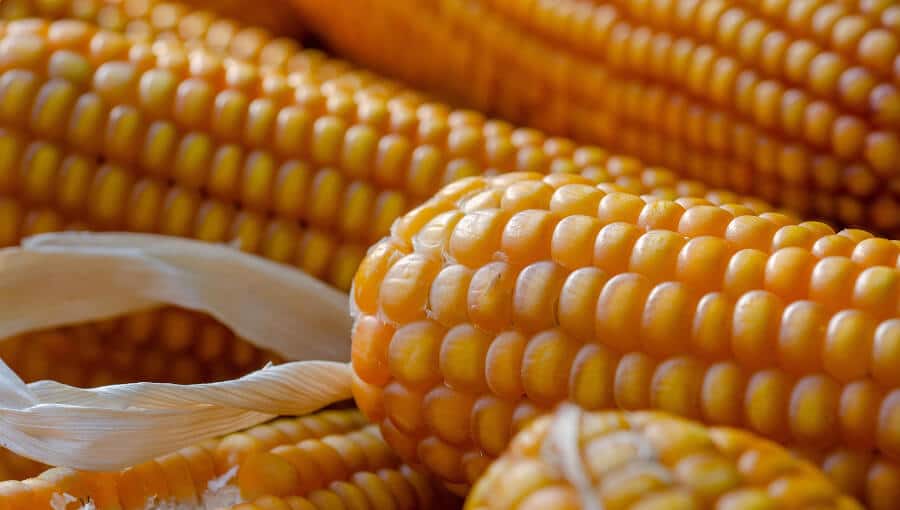
Corn is one of the most nutritious foods out there. It is a cereal with a high energy value and its exportation has grown considerably. Además de fibra, el grano de maíz se compone de calorías, grasa pura, vitaminas (complejo B y A) y sales naturales. The increase in human consumption of corn includes another benefit: the opportunity to confer quality gains and to open new business fronts for the production chain.
Soy
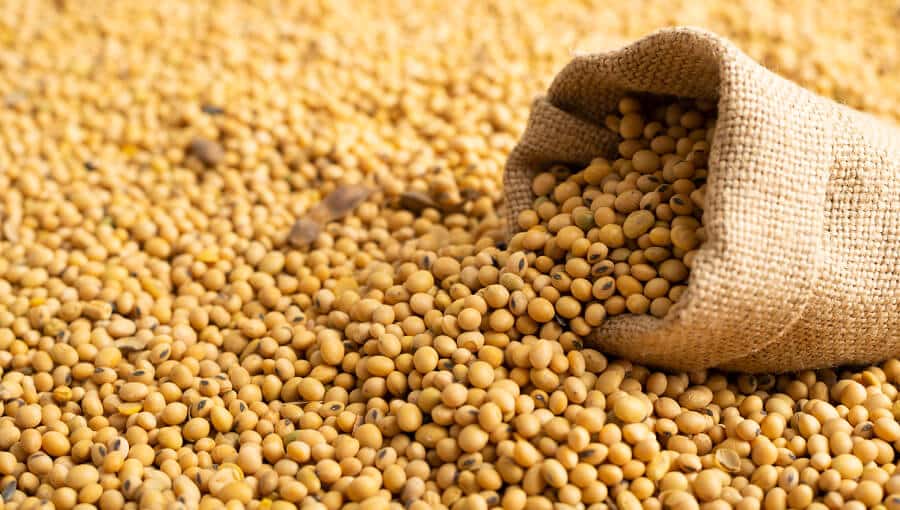
Soybean is the most important agricultural crop in Brazil, its export generates one of the biggest economic movements in the country. Brazil is today the world’s largest exporter of soy, a grain that is one of the main commodities on the planet, the most consumed source of vegetable protein to produce animal protein.